✨ New Arrivals Just Dropped!Explore

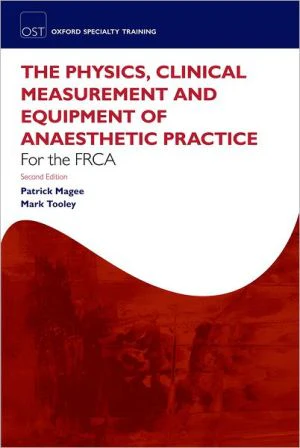
The Physics, Clinical Measurement and Equipment of Anaesthetic Practice for the FRCA, 2e
Pages: 440,
Specialties: Anesthesiology, UK - FRCA,
Publisher: Oxford UP,
Publication Year: 2011,
Cover: Paperback,
Dimensions: 164x230x28mm
A good knowledge of physics, measurement, and equipment is essential for practising anaesthetists. However, these subjects do present considerable problems because few anaesthetists have any background in physics. This book explains the physical principles and applications of physics in anaesthesia, and the statistical methods that anaesthetists are required to understand. The book includes sections on equipment and safety in anaesthesia, and electrical safety. Fully updated for the second edition, the book also includes new chapters on the depth of anaesthesia and on electrical safety. The contents are based on the syllabus of the FRCA exam in mathematics, physics, clinical measurement, monitoring, and equipment. The book starts with mathematics, statistics and physics background, not only to enhance the understanding for what follows in the book, but also because these basic sciences are fundamental to many other aspects of medical science. Areas, which in the authors' teaching experience, candidates have found particularly troublesome, such as electricity and electrical safety, are discussed in some detail in order to clarify. show more
Specialties: Anesthesiology, UK - FRCA,
Publisher: Oxford UP,
Publication Year: 2011,
Cover: Paperback,
Dimensions: 164x230x28mm
A good knowledge of physics, measurement, and equipment is essential for practising anaesthetists. However, these subjects do present considerable problems because few anaesthetists have any background in physics. This book explains the physical principles and applications of physics in anaesthesia, and the statistical methods that anaesthetists are required to understand. The book includes sections on equipment and safety in anaesthesia, and electrical safety. Fully updated for the second edition, the book also includes new chapters on the depth of anaesthesia and on electrical safety. The contents are based on the syllabus of the FRCA exam in mathematics, physics, clinical measurement, monitoring, and equipment. The book starts with mathematics, statistics and physics background, not only to enhance the understanding for what follows in the book, but also because these basic sciences are fundamental to many other aspects of medical science. Areas, which in the authors' teaching experience, candidates have found particularly troublesome, such as electricity and electrical safety, are discussed in some detail in order to clarify. show more
Product Information
Product Information
Shipping & Returns
Shipping & Returns


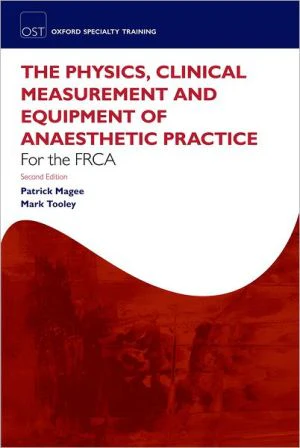






The Physics, Clinical Measurement and Equipment of Anaesthetic Practice for the FRCA, 2e
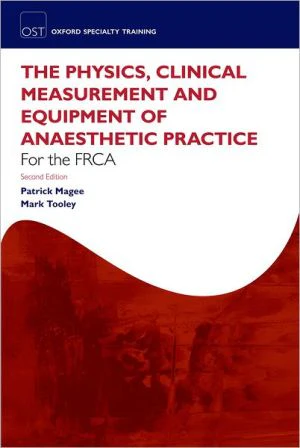
The Physics, Clinical Measurement and Equipment of Anaesthetic Practice for the FRCA, 2e
Pages: 440,
Specialties: Anesthesiology, UK - FRCA,
Publisher: Oxford UP,
Publication Year: 2011,
Cover: Paperback,
Dimensions: 164x230x28mm
A good knowledge of physics, measurement, and equipment is essential for practising anaesthetists. However, these subjects do present considerable problems because few anaesthetists have any background in physics. This book explains the physical principles and applications of physics in anaesthesia, and the statistical methods that anaesthetists are required to understand. The book includes sections on equipment and safety in anaesthesia, and electrical safety. Fully updated for the second edition, the book also includes new chapters on the depth of anaesthesia and on electrical safety. The contents are based on the syllabus of the FRCA exam in mathematics, physics, clinical measurement, monitoring, and equipment. The book starts with mathematics, statistics and physics background, not only to enhance the understanding for what follows in the book, but also because these basic sciences are fundamental to many other aspects of medical science. Areas, which in the authors' teaching experience, candidates have found particularly troublesome, such as electricity and electrical safety, are discussed in some detail in order to clarify. show more
Specialties: Anesthesiology, UK - FRCA,
Publisher: Oxford UP,
Publication Year: 2011,
Cover: Paperback,
Dimensions: 164x230x28mm
A good knowledge of physics, measurement, and equipment is essential for practising anaesthetists. However, these subjects do present considerable problems because few anaesthetists have any background in physics. This book explains the physical principles and applications of physics in anaesthesia, and the statistical methods that anaesthetists are required to understand. The book includes sections on equipment and safety in anaesthesia, and electrical safety. Fully updated for the second edition, the book also includes new chapters on the depth of anaesthesia and on electrical safety. The contents are based on the syllabus of the FRCA exam in mathematics, physics, clinical measurement, monitoring, and equipment. The book starts with mathematics, statistics and physics background, not only to enhance the understanding for what follows in the book, but also because these basic sciences are fundamental to many other aspects of medical science. Areas, which in the authors' teaching experience, candidates have found particularly troublesome, such as electricity and electrical safety, are discussed in some detail in order to clarify. show more
$35.70
Original: $102.00
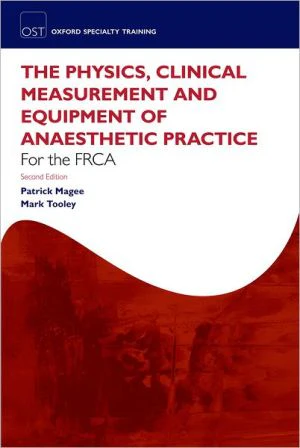
-65%The Physics, Clinical Measurement and Equipment of Anaesthetic Practice for the FRCA, 2e—
$102.00
$35.70Product Information
Product Information
Shipping & Returns
Shipping & Returns
Description
Pages: 440,
Specialties: Anesthesiology, UK - FRCA,
Publisher: Oxford UP,
Publication Year: 2011,
Cover: Paperback,
Dimensions: 164x230x28mm
A good knowledge of physics, measurement, and equipment is essential for practising anaesthetists. However, these subjects do present considerable problems because few anaesthetists have any background in physics. This book explains the physical principles and applications of physics in anaesthesia, and the statistical methods that anaesthetists are required to understand. The book includes sections on equipment and safety in anaesthesia, and electrical safety. Fully updated for the second edition, the book also includes new chapters on the depth of anaesthesia and on electrical safety. The contents are based on the syllabus of the FRCA exam in mathematics, physics, clinical measurement, monitoring, and equipment. The book starts with mathematics, statistics and physics background, not only to enhance the understanding for what follows in the book, but also because these basic sciences are fundamental to many other aspects of medical science. Areas, which in the authors' teaching experience, candidates have found particularly troublesome, such as electricity and electrical safety, are discussed in some detail in order to clarify. show more
Specialties: Anesthesiology, UK - FRCA,
Publisher: Oxford UP,
Publication Year: 2011,
Cover: Paperback,
Dimensions: 164x230x28mm
A good knowledge of physics, measurement, and equipment is essential for practising anaesthetists. However, these subjects do present considerable problems because few anaesthetists have any background in physics. This book explains the physical principles and applications of physics in anaesthesia, and the statistical methods that anaesthetists are required to understand. The book includes sections on equipment and safety in anaesthesia, and electrical safety. Fully updated for the second edition, the book also includes new chapters on the depth of anaesthesia and on electrical safety. The contents are based on the syllabus of the FRCA exam in mathematics, physics, clinical measurement, monitoring, and equipment. The book starts with mathematics, statistics and physics background, not only to enhance the understanding for what follows in the book, but also because these basic sciences are fundamental to many other aspects of medical science. Areas, which in the authors' teaching experience, candidates have found particularly troublesome, such as electricity and electrical safety, are discussed in some detail in order to clarify. show more