✨ New Arrivals Just Dropped!Explore

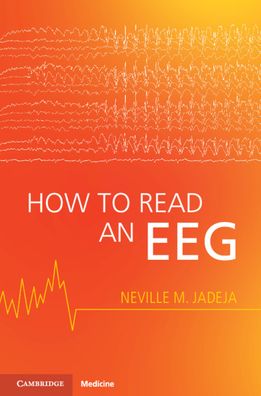
How to Read an EEG
Pages: 268,
Specialty: Neurology,
Publisher: Cambridge,
Publication Year: 2021,
Cover: Paperback,
Dimensions: 124x186x13mm
The EEG is a simple and widely available neurophysiological test that, if interpreted correctly, can provide valuable insight into the functioning of the brain. However, despite its increasing usage in a range of settings, there is a common misconception that the EEG is inherently difficult to interpret. Compounding the problem is the lack of dedicated training and no standardized approach by encephalographers. This book provides a clear and concise guide to reading and interpreting EEGs in a systematic way. Presented in three sections, the first delivers foundational technical knowledge of how EEGs work, and the second concentrates on a comprehensive, stepwise approach to reading and interpreting an EEG. The third section contains examples of EEGs in common scenarios, such as seizures and post-cardiac arrest, enabling readers to correlate their findings to clinical indications. Heavily illustrated with over 200 example EEGs, this is an essential pocket guide to interpreting these tests. show more
Specialty: Neurology,
Publisher: Cambridge,
Publication Year: 2021,
Cover: Paperback,
Dimensions: 124x186x13mm
The EEG is a simple and widely available neurophysiological test that, if interpreted correctly, can provide valuable insight into the functioning of the brain. However, despite its increasing usage in a range of settings, there is a common misconception that the EEG is inherently difficult to interpret. Compounding the problem is the lack of dedicated training and no standardized approach by encephalographers. This book provides a clear and concise guide to reading and interpreting EEGs in a systematic way. Presented in three sections, the first delivers foundational technical knowledge of how EEGs work, and the second concentrates on a comprehensive, stepwise approach to reading and interpreting an EEG. The third section contains examples of EEGs in common scenarios, such as seizures and post-cardiac arrest, enabling readers to correlate their findings to clinical indications. Heavily illustrated with over 200 example EEGs, this is an essential pocket guide to interpreting these tests. show more
Product Information
Product Information
Shipping & Returns
Shipping & Returns




How to Read an EEG
How to Read an EEG
Pages: 268,
Specialty: Neurology,
Publisher: Cambridge,
Publication Year: 2021,
Cover: Paperback,
Dimensions: 124x186x13mm
The EEG is a simple and widely available neurophysiological test that, if interpreted correctly, can provide valuable insight into the functioning of the brain. However, despite its increasing usage in a range of settings, there is a common misconception that the EEG is inherently difficult to interpret. Compounding the problem is the lack of dedicated training and no standardized approach by encephalographers. This book provides a clear and concise guide to reading and interpreting EEGs in a systematic way. Presented in three sections, the first delivers foundational technical knowledge of how EEGs work, and the second concentrates on a comprehensive, stepwise approach to reading and interpreting an EEG. The third section contains examples of EEGs in common scenarios, such as seizures and post-cardiac arrest, enabling readers to correlate their findings to clinical indications. Heavily illustrated with over 200 example EEGs, this is an essential pocket guide to interpreting these tests. show more
Specialty: Neurology,
Publisher: Cambridge,
Publication Year: 2021,
Cover: Paperback,
Dimensions: 124x186x13mm
The EEG is a simple and widely available neurophysiological test that, if interpreted correctly, can provide valuable insight into the functioning of the brain. However, despite its increasing usage in a range of settings, there is a common misconception that the EEG is inherently difficult to interpret. Compounding the problem is the lack of dedicated training and no standardized approach by encephalographers. This book provides a clear and concise guide to reading and interpreting EEGs in a systematic way. Presented in three sections, the first delivers foundational technical knowledge of how EEGs work, and the second concentrates on a comprehensive, stepwise approach to reading and interpreting an EEG. The third section contains examples of EEGs in common scenarios, such as seizures and post-cardiac arrest, enabling readers to correlate their findings to clinical indications. Heavily illustrated with over 200 example EEGs, this is an essential pocket guide to interpreting these tests. show more
$25.72
Original: $73.50
-65%How to Read an EEG—
$73.50
$25.72Product Information
Product Information
Shipping & Returns
Shipping & Returns
Description
Pages: 268,
Specialty: Neurology,
Publisher: Cambridge,
Publication Year: 2021,
Cover: Paperback,
Dimensions: 124x186x13mm
The EEG is a simple and widely available neurophysiological test that, if interpreted correctly, can provide valuable insight into the functioning of the brain. However, despite its increasing usage in a range of settings, there is a common misconception that the EEG is inherently difficult to interpret. Compounding the problem is the lack of dedicated training and no standardized approach by encephalographers. This book provides a clear and concise guide to reading and interpreting EEGs in a systematic way. Presented in three sections, the first delivers foundational technical knowledge of how EEGs work, and the second concentrates on a comprehensive, stepwise approach to reading and interpreting an EEG. The third section contains examples of EEGs in common scenarios, such as seizures and post-cardiac arrest, enabling readers to correlate their findings to clinical indications. Heavily illustrated with over 200 example EEGs, this is an essential pocket guide to interpreting these tests. show more
Specialty: Neurology,
Publisher: Cambridge,
Publication Year: 2021,
Cover: Paperback,
Dimensions: 124x186x13mm
The EEG is a simple and widely available neurophysiological test that, if interpreted correctly, can provide valuable insight into the functioning of the brain. However, despite its increasing usage in a range of settings, there is a common misconception that the EEG is inherently difficult to interpret. Compounding the problem is the lack of dedicated training and no standardized approach by encephalographers. This book provides a clear and concise guide to reading and interpreting EEGs in a systematic way. Presented in three sections, the first delivers foundational technical knowledge of how EEGs work, and the second concentrates on a comprehensive, stepwise approach to reading and interpreting an EEG. The third section contains examples of EEGs in common scenarios, such as seizures and post-cardiac arrest, enabling readers to correlate their findings to clinical indications. Heavily illustrated with over 200 example EEGs, this is an essential pocket guide to interpreting these tests. show more