✨ New Arrivals Just Dropped!Explore

Evidence in Medicine: The Common Flaws, Why They O ccur and How to Prevent Them
Pages: 272,
Specialty: Medicine,
Publisher: Wiley,
Publication Year: 2021,
Cover: Paperback,
Dimensions: 143x215x16mm
High-quality evidence is the foundation for effective treatment in medicine. As the vast amount of published medical evidence continues to grow, concerns about the quality of many studies are increasing. Evidence in Medicine is a much-needed resource that addresses the 'medical misinformation mess' by assessing the flaws in the research environment. This authoritative text identifies and summarises the many factors that have produced the current problems in medical research, including bias in randomised controlled trials, questionable research practices, falsified data, manipulated findings, and more. This volume brings together the findings from meta-research studies and systematic reviews to explore the quality of clinical trials and other medical research, explaining the character and consequences of poor-quality medical evidence using clear language and a wealth of supporting references. The text suggests planning strategies to transform the research process and provides an extensive list of the actions that could be taken by researchers, regulators, and other key stakeholders to address defects in medical evidence. This timely volume: Enables readers to select reliable studies and recognise misleading research Highlights the main types of biased and wasted studies Discusses how incentives in the research environment influence the quality of evidence Identifies the problems researchers need to guard against in their work Describes the scale of poor-quality research and explores why the problems are widespread Includes a summary of key findings on poor-quality research and a listing of proposed initiatives to improve research evidence Contains extensive citations to references, reviews, commentaries, and landmark studies Evidence in Medicine is required reading for all researchers who create evidence, funders and publishers of medical research, students who conduct their own research studies, and healthcare practitioners wanting to deliver high-quality, evidence-based care. show more
Specialty: Medicine,
Publisher: Wiley,
Publication Year: 2021,
Cover: Paperback,
Dimensions: 143x215x16mm
High-quality evidence is the foundation for effective treatment in medicine. As the vast amount of published medical evidence continues to grow, concerns about the quality of many studies are increasing. Evidence in Medicine is a much-needed resource that addresses the 'medical misinformation mess' by assessing the flaws in the research environment. This authoritative text identifies and summarises the many factors that have produced the current problems in medical research, including bias in randomised controlled trials, questionable research practices, falsified data, manipulated findings, and more. This volume brings together the findings from meta-research studies and systematic reviews to explore the quality of clinical trials and other medical research, explaining the character and consequences of poor-quality medical evidence using clear language and a wealth of supporting references. The text suggests planning strategies to transform the research process and provides an extensive list of the actions that could be taken by researchers, regulators, and other key stakeholders to address defects in medical evidence. This timely volume: Enables readers to select reliable studies and recognise misleading research Highlights the main types of biased and wasted studies Discusses how incentives in the research environment influence the quality of evidence Identifies the problems researchers need to guard against in their work Describes the scale of poor-quality research and explores why the problems are widespread Includes a summary of key findings on poor-quality research and a listing of proposed initiatives to improve research evidence Contains extensive citations to references, reviews, commentaries, and landmark studies Evidence in Medicine is required reading for all researchers who create evidence, funders and publishers of medical research, students who conduct their own research studies, and healthcare practitioners wanting to deliver high-quality, evidence-based care. show more
Product Information
Product Information
Shipping & Returns
Shipping & Returns




Evidence in Medicine: The Common Flaws, Why They O ccur and How to Prevent Them
Evidence in Medicine: The Common Flaws, Why They O ccur and How to Prevent Them
Pages: 272,
Specialty: Medicine,
Publisher: Wiley,
Publication Year: 2021,
Cover: Paperback,
Dimensions: 143x215x16mm
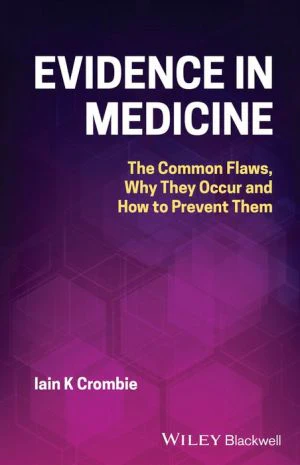
High-quality evidence is the foundation for effective treatment in medicine. As the vast amount of published medical evidence continues to grow, concerns about the quality of many studies are increasing. Evidence in Medicine is a much-needed resource that addresses the 'medical misinformation mess' by assessing the flaws in the research environment. This authoritative text identifies and summarises the many factors that have produced the current problems in medical research, including bias in randomised controlled trials, questionable research practices, falsified data, manipulated findings, and more. This volume brings together the findings from meta-research studies and systematic reviews to explore the quality of clinical trials and other medical research, explaining the character and consequences of poor-quality medical evidence using clear language and a wealth of supporting references. The text suggests planning strategies to transform the research process and provides an extensive list of the actions that could be taken by researchers, regulators, and other key stakeholders to address defects in medical evidence. This timely volume: Enables readers to select reliable studies and recognise misleading research Highlights the main types of biased and wasted studies Discusses how incentives in the research environment influence the quality of evidence Identifies the problems researchers need to guard against in their work Describes the scale of poor-quality research and explores why the problems are widespread Includes a summary of key findings on poor-quality research and a listing of proposed initiatives to improve research evidence Contains extensive citations to references, reviews, commentaries, and landmark studies Evidence in Medicine is required reading for all researchers who create evidence, funders and publishers of medical research, students who conduct their own research studies, and healthcare practitioners wanting to deliver high-quality, evidence-based care. show more
Specialty: Medicine,
Publisher: Wiley,
Publication Year: 2021,
Cover: Paperback,
Dimensions: 143x215x16mm
High-quality evidence is the foundation for effective treatment in medicine. As the vast amount of published medical evidence continues to grow, concerns about the quality of many studies are increasing. Evidence in Medicine is a much-needed resource that addresses the 'medical misinformation mess' by assessing the flaws in the research environment. This authoritative text identifies and summarises the many factors that have produced the current problems in medical research, including bias in randomised controlled trials, questionable research practices, falsified data, manipulated findings, and more. This volume brings together the findings from meta-research studies and systematic reviews to explore the quality of clinical trials and other medical research, explaining the character and consequences of poor-quality medical evidence using clear language and a wealth of supporting references. The text suggests planning strategies to transform the research process and provides an extensive list of the actions that could be taken by researchers, regulators, and other key stakeholders to address defects in medical evidence. This timely volume: Enables readers to select reliable studies and recognise misleading research Highlights the main types of biased and wasted studies Discusses how incentives in the research environment influence the quality of evidence Identifies the problems researchers need to guard against in their work Describes the scale of poor-quality research and explores why the problems are widespread Includes a summary of key findings on poor-quality research and a listing of proposed initiatives to improve research evidence Contains extensive citations to references, reviews, commentaries, and landmark studies Evidence in Medicine is required reading for all researchers who create evidence, funders and publishers of medical research, students who conduct their own research studies, and healthcare practitioners wanting to deliver high-quality, evidence-based care. show more
$61.50
Evidence in Medicine: The Common Flaws, Why They O ccur and How to Prevent Them—
$61.50
Product Information
Product Information
Shipping & Returns
Shipping & Returns
Description
Pages: 272,
Specialty: Medicine,
Publisher: Wiley,
Publication Year: 2021,
Cover: Paperback,
Dimensions: 143x215x16mm
High-quality evidence is the foundation for effective treatment in medicine. As the vast amount of published medical evidence continues to grow, concerns about the quality of many studies are increasing. Evidence in Medicine is a much-needed resource that addresses the 'medical misinformation mess' by assessing the flaws in the research environment. This authoritative text identifies and summarises the many factors that have produced the current problems in medical research, including bias in randomised controlled trials, questionable research practices, falsified data, manipulated findings, and more. This volume brings together the findings from meta-research studies and systematic reviews to explore the quality of clinical trials and other medical research, explaining the character and consequences of poor-quality medical evidence using clear language and a wealth of supporting references. The text suggests planning strategies to transform the research process and provides an extensive list of the actions that could be taken by researchers, regulators, and other key stakeholders to address defects in medical evidence. This timely volume: Enables readers to select reliable studies and recognise misleading research Highlights the main types of biased and wasted studies Discusses how incentives in the research environment influence the quality of evidence Identifies the problems researchers need to guard against in their work Describes the scale of poor-quality research and explores why the problems are widespread Includes a summary of key findings on poor-quality research and a listing of proposed initiatives to improve research evidence Contains extensive citations to references, reviews, commentaries, and landmark studies Evidence in Medicine is required reading for all researchers who create evidence, funders and publishers of medical research, students who conduct their own research studies, and healthcare practitioners wanting to deliver high-quality, evidence-based care. show more
Specialty: Medicine,
Publisher: Wiley,
Publication Year: 2021,
Cover: Paperback,
Dimensions: 143x215x16mm
High-quality evidence is the foundation for effective treatment in medicine. As the vast amount of published medical evidence continues to grow, concerns about the quality of many studies are increasing. Evidence in Medicine is a much-needed resource that addresses the 'medical misinformation mess' by assessing the flaws in the research environment. This authoritative text identifies and summarises the many factors that have produced the current problems in medical research, including bias in randomised controlled trials, questionable research practices, falsified data, manipulated findings, and more. This volume brings together the findings from meta-research studies and systematic reviews to explore the quality of clinical trials and other medical research, explaining the character and consequences of poor-quality medical evidence using clear language and a wealth of supporting references. The text suggests planning strategies to transform the research process and provides an extensive list of the actions that could be taken by researchers, regulators, and other key stakeholders to address defects in medical evidence. This timely volume: Enables readers to select reliable studies and recognise misleading research Highlights the main types of biased and wasted studies Discusses how incentives in the research environment influence the quality of evidence Identifies the problems researchers need to guard against in their work Describes the scale of poor-quality research and explores why the problems are widespread Includes a summary of key findings on poor-quality research and a listing of proposed initiatives to improve research evidence Contains extensive citations to references, reviews, commentaries, and landmark studies Evidence in Medicine is required reading for all researchers who create evidence, funders and publishers of medical research, students who conduct their own research studies, and healthcare practitioners wanting to deliver high-quality, evidence-based care. show more